01 / Sector
Cement
- Waste stream
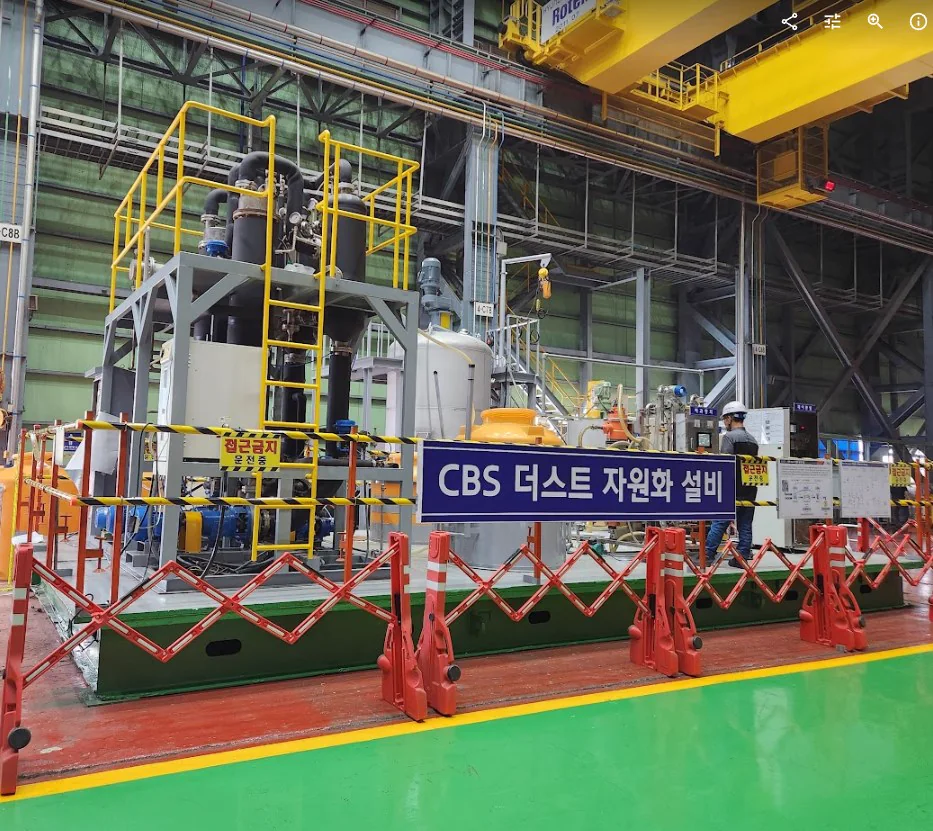
- Chlorine bypass dust
- Output
- KCl ~95% standard, up to 99% on request, plus CaCO3

We mineralise CO₂ into the alkaline waste your plant already produces. The carbon is locked permanently into a solid — and what was a disposal cost leaves the site as a saleable product.
Cement, steel, refining and power produce CO₂ as an inherent part of the chemistry, not just from the energy they consume. Switching fuel does not remove it.
These plants are young. Most of India's cement and steel capacity has decades of life left, so retiring them is not a realistic option.
That leaves capture. And capture only gets built when it pays for itself.
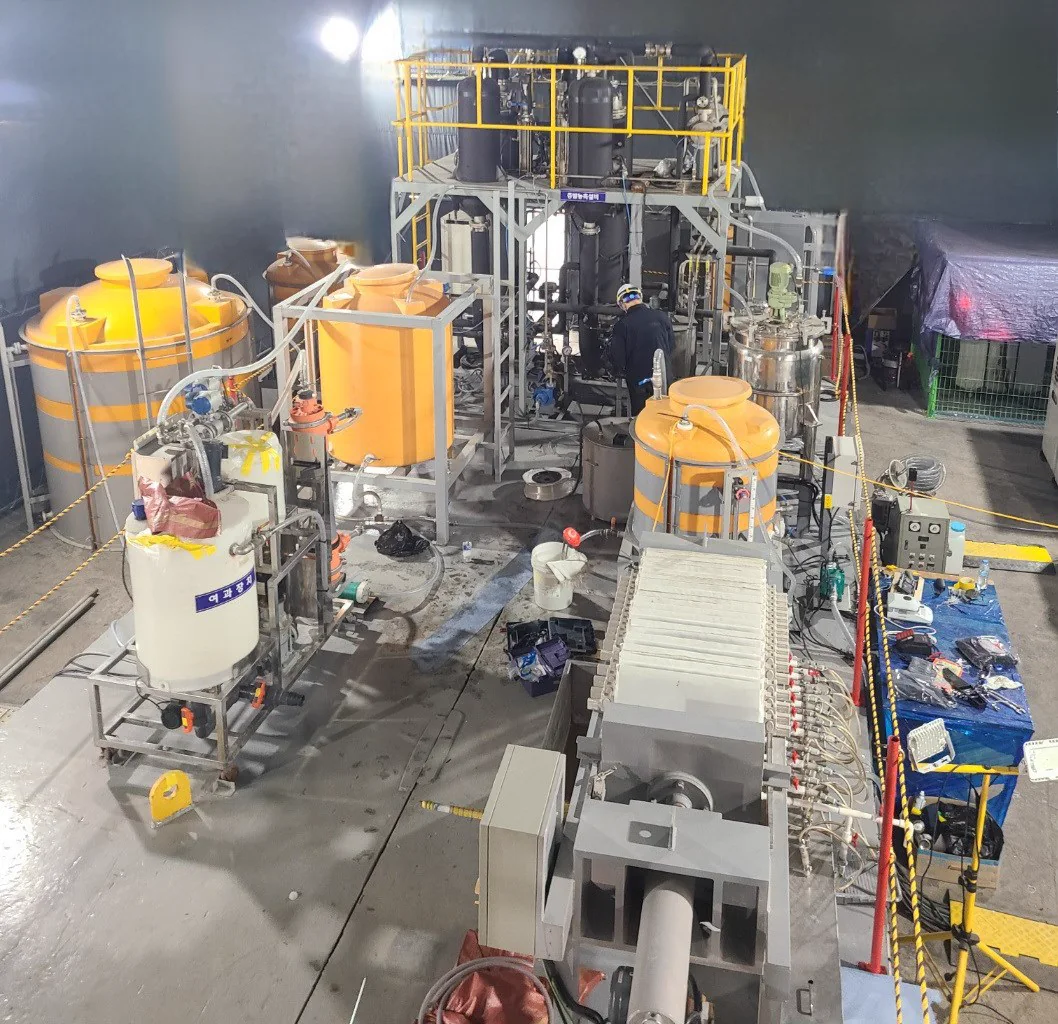
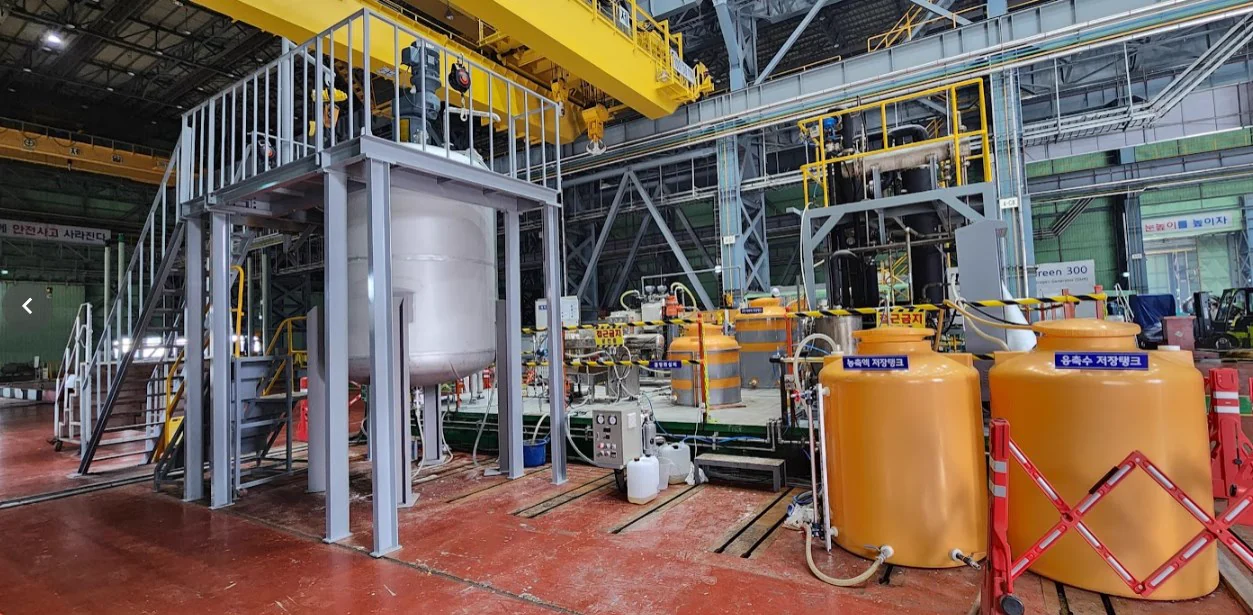
The process brings the plant's existing alkaline residue and flue-gas CO₂ into one permanent mineral-carbonation pathway.
Three inputs already present on an industrial site become two useful outputs.
The core CCU mineralisation technology is developed and owned by ANYTECH Co., Ltd in the Republic of Korea. It was built through Korean national research programmes, with support from the Ministry of Trade, Industry and Energy and joint development with KIER, the Korea Institute of Energy Research.
ANYTECH holds more than 100 environmental patents, about 30 in cement and CO₂. The process has progressed from national R&D to a full-scale plant in operation at Hanil Cement and full commercial plant design.
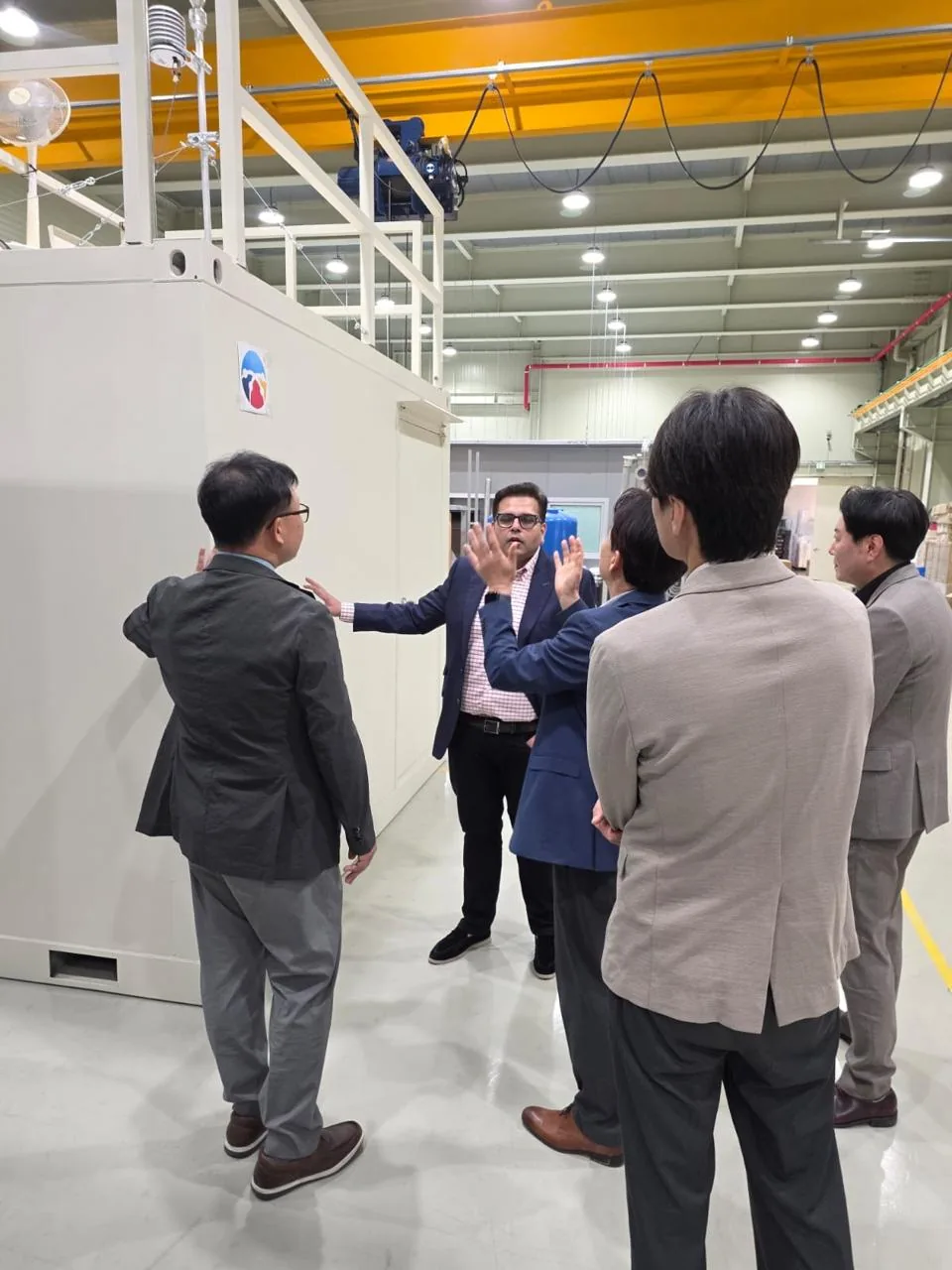
Anytech Hughes Climate Solutions Pvt. Ltd. — the joint venture between ANYTECH Co., Ltd and Hughes & Hughes Chem Limited — develops, delivers and operates projects at cement, steel, power and refinery sites in India.
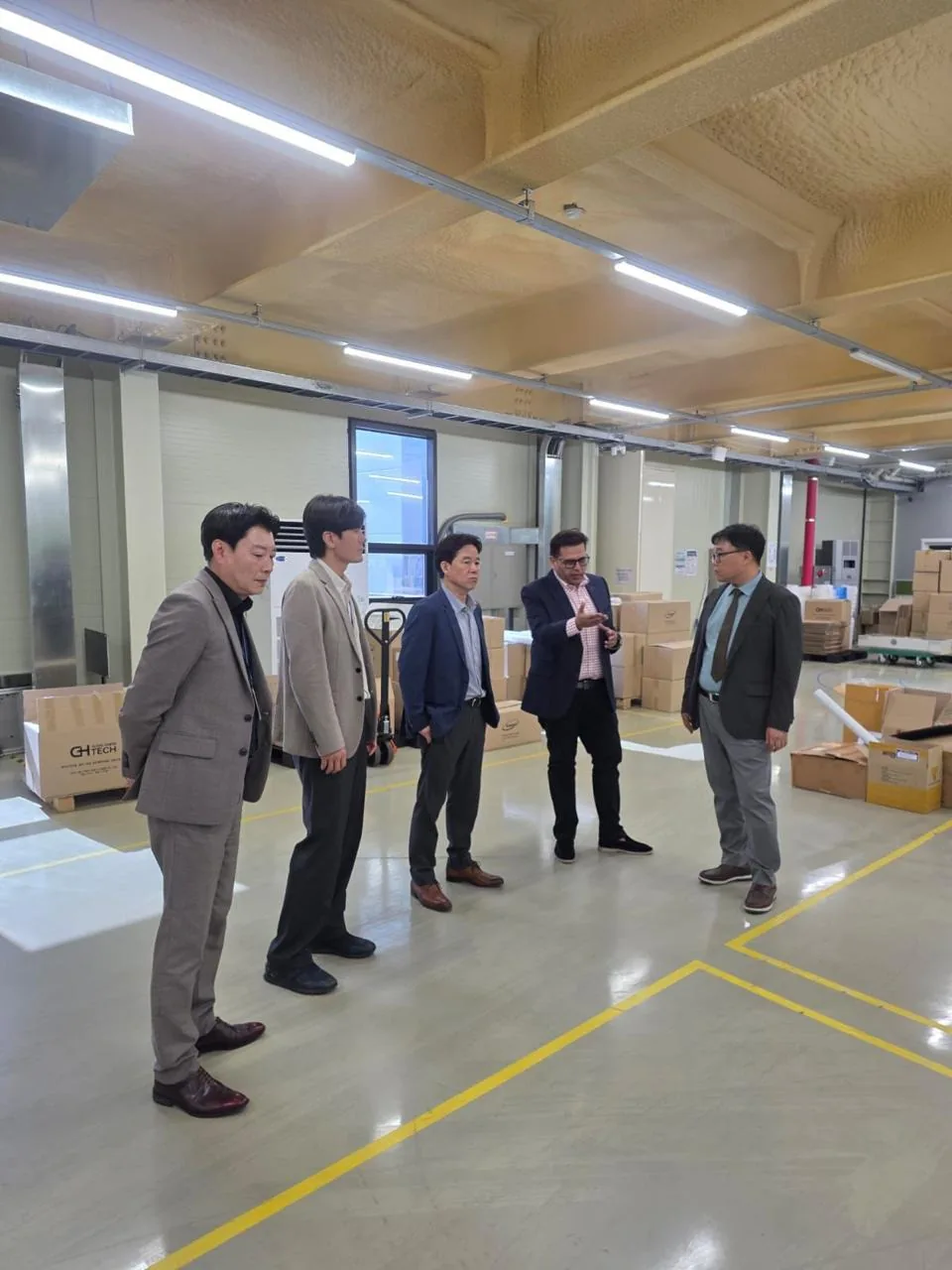
The same carbonation process runs in either. The difference is whether the plant also recovers and sells the product.
Mineralisation plus product recovery. Potassium chloride at about 95% as standard and up to 99% on request, plus calcium carbonate returned to the process.
CCU in detailMineralisation only. The KCl production block is excluded for a simpler plant and lower initial investment where product off-take is unavailable.
CCS in detailAn alkaline waste stream, and a CO₂ stream on site. Most heavy industrial plants already have both.
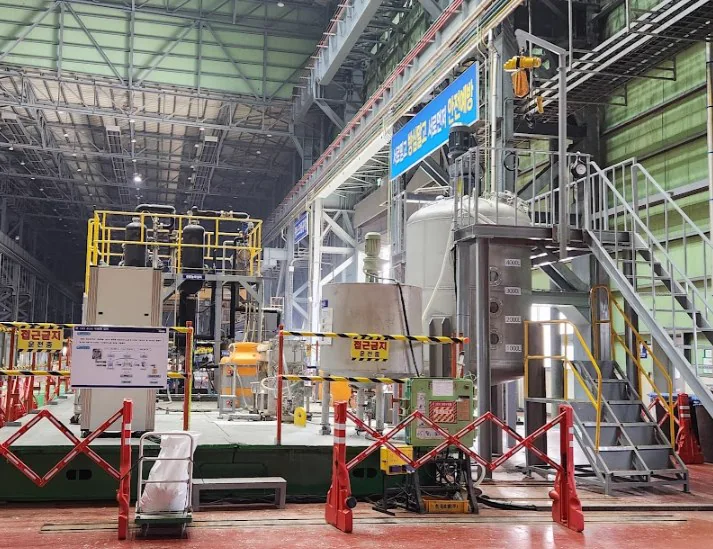
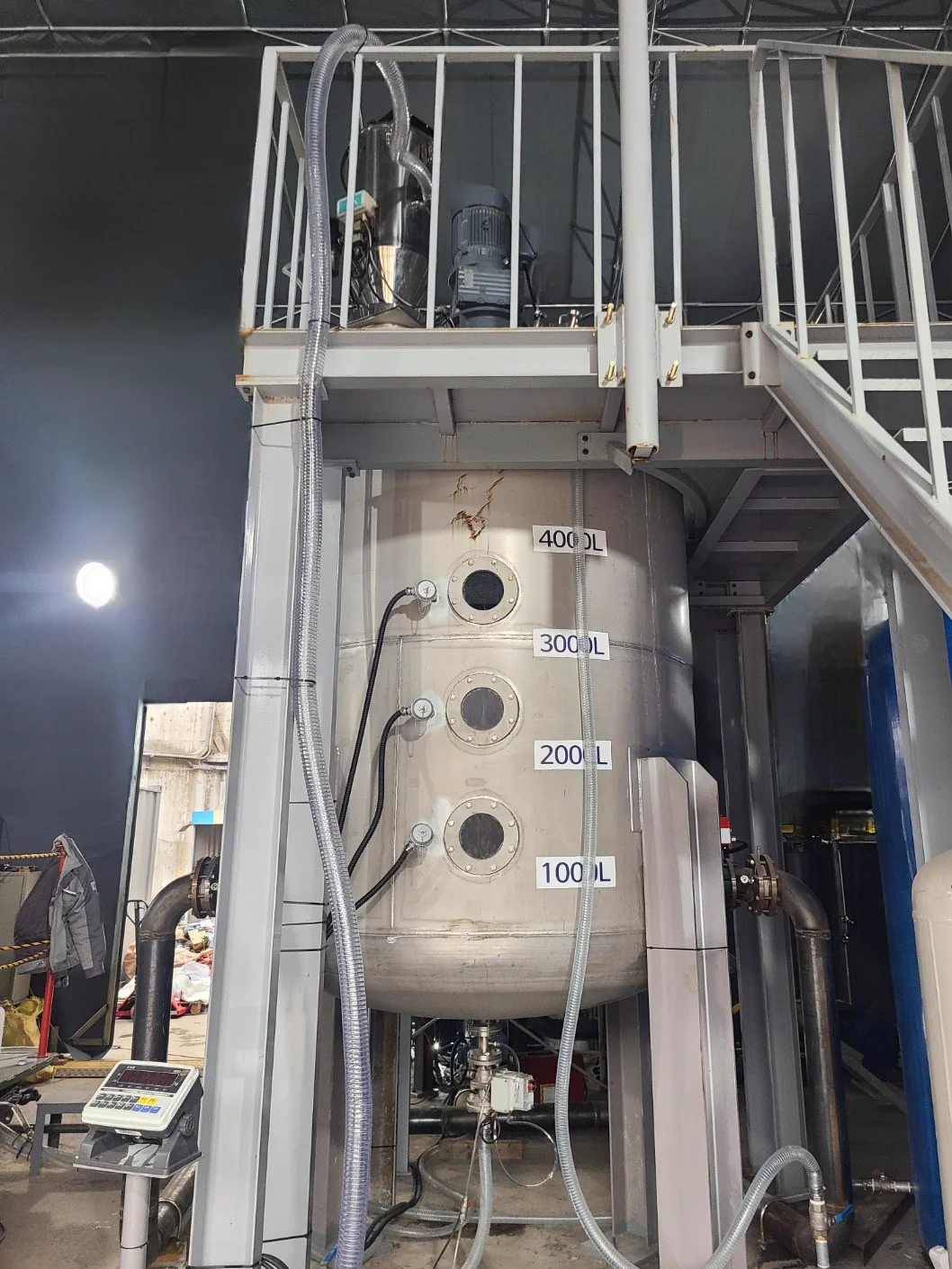
Landfill capacity for hazardous residues is contracting and handling requirements are tightening. The cost of doing nothing rises every year the stockpile grows.
India's Carbon Credit Trading Scheme and border carbon adjustments make measurable emissions performance increasingly relevant. Credit eligibility remains project-specific.
Capture alone remains an abatement expense that must be justified annually. A saleable output turns the same plant into a project that carries its own capital cost.
How circular economy principles apply to cement manufacturing — and how bypass dust recovery turns waste streams into revenue streams.
Read articleThe chemistry, process steps, and economics behind turning cement bypass dust into high-purity potassium chloride.
Read articleWhy cement bypass dust is hazardous, why disposal is getting harder, and how circular processing turns the problem into an opportunity.
Read articleSend us a waste stream composition and your stack gas analysis. We will tell you what the process would yield on your site, and what the installation would look like.