Reference articles on air quality, industrial pollution, and the technology behind cleaner environments.
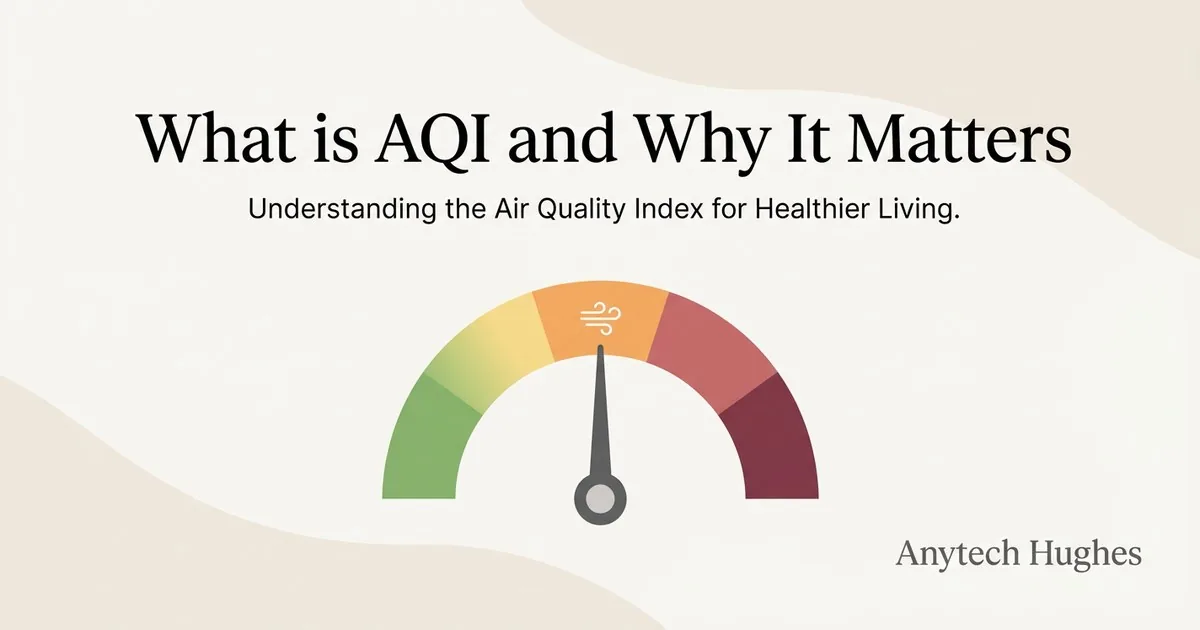
Understanding the Air Quality Index — how it's measured, what the numbers mean, and why it should guide your decisions.
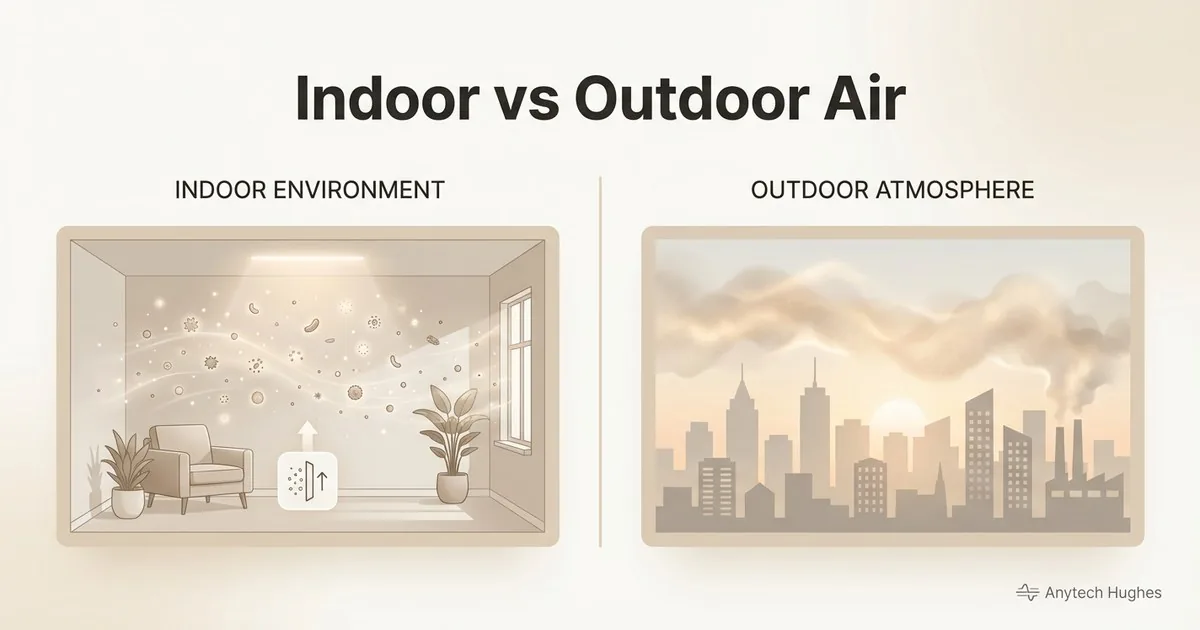
Why indoor air can be 2–5x more polluted than outdoor — and what that means for offices, hospitals, and homes.
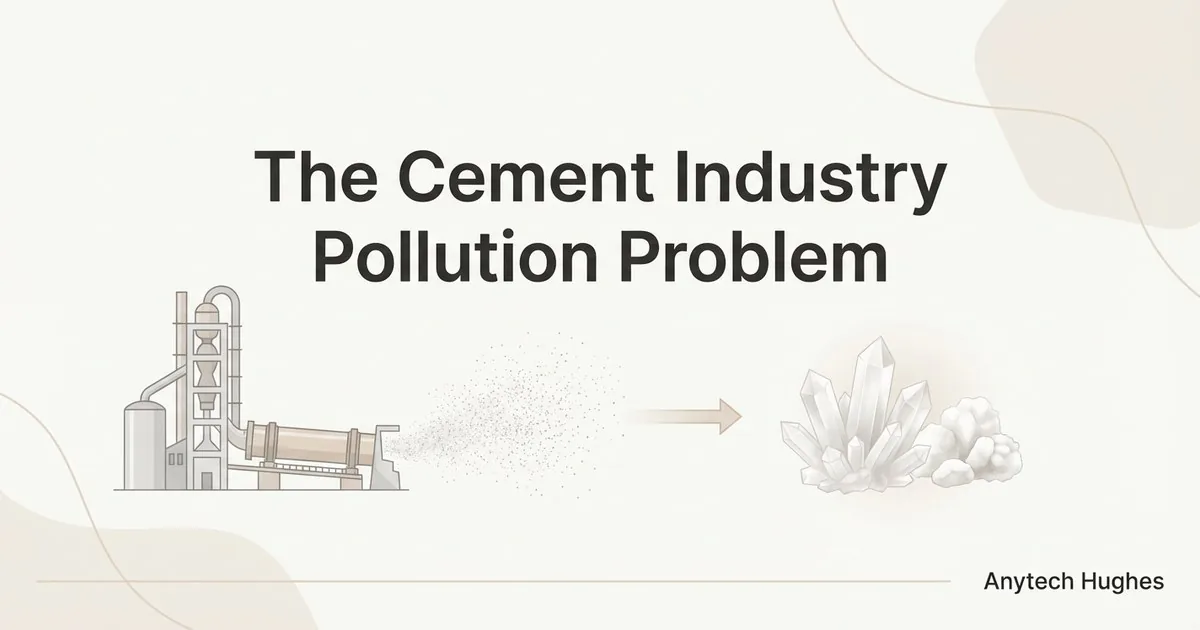
How cement bypass dust impacts the environment, and how new technology is turning the waste stream into value.
The two particle sizes that dominate air quality reporting — what they are, how deep they penetrate, and which one matters more.
The science behind HEPA — interception, impaction, diffusion — and why H13/H14 grades matter for indoor air quality.
What Air Quality Management System requirements mean for healthcare facilities — and how to stay audit-ready.
Sizing, ACH targets, filter stacks, and the most common mistakes — a practical guide for offices, clinics, and homes.
A technical introduction to Chlorine Bypass Systems: why cement kilns need them, how they work, and how they turn a hazardous waste stream into value.
Why cement bypass dust is hazardous, why disposal is getting harder, and how circular processing turns the problem into an opportunity.
The chemistry, process steps, and economics behind turning cement bypass dust into high-purity potassium chloride.
How circular economy principles apply to cement manufacturing — and how CCU & CCS technology turns waste streams into revenue streams.
A practical specification guide for facility managers: how to size industrial air purifiers, read the numbers that matter, and avoid the traps in vendor datasheets.
Three technologies, three completely different jobs. Understanding what HEPA, carbon, and ionizers each physically do is the fastest way to avoid buying the wrong system.
Air quality in a hospital is a clinical parameter, not a comfort setting. Here is how Indian healthcare facilities should specify, operate, and verify it.
Indoor air is one of the few workplace variables that affects health, cognition, and retention simultaneously — and one of the easiest to measure and fix.
India's air quality rules are spread across ambient standards, building codes, consent conditions, and monitoring mandates. Here is how they fit together for a facility team.
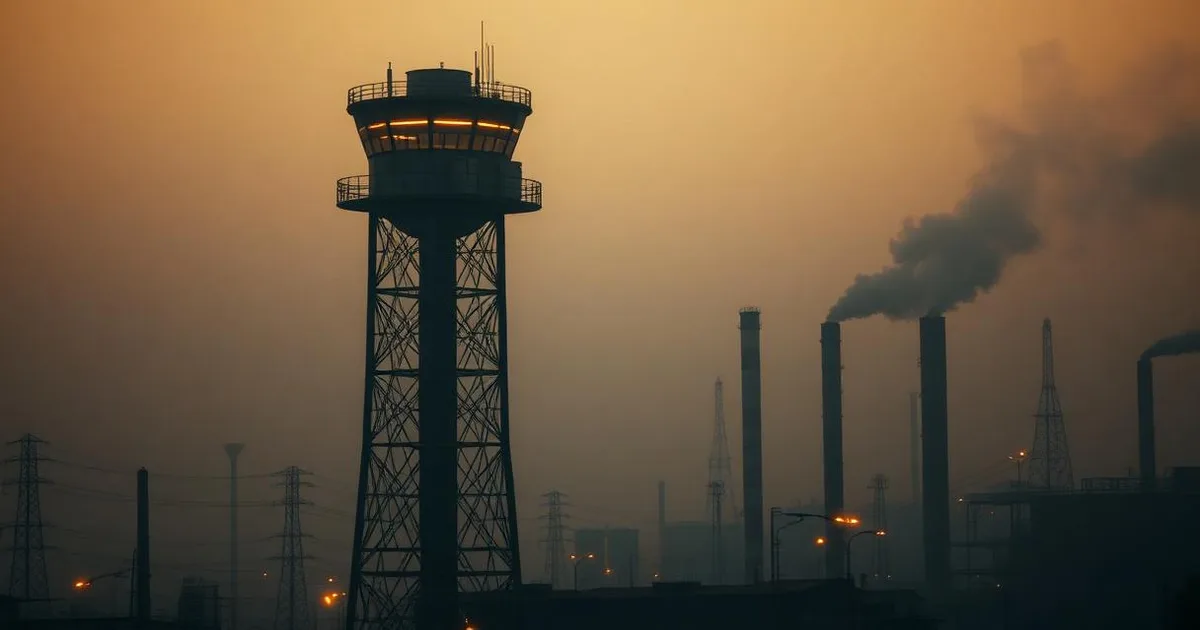
Smog towers are neither a citywide cure nor a gimmick. Understood as bounded-zone air treatment, they solve a real and specific problem.
Air pollution does not only shorten lives. A growing body of evidence shows it measurably degrades attention, memory, and decision quality while you breathe it.
A quarterly reading taken on a calm Tuesday morning tells you almost nothing about the exposure your people actually experienced that quarter.